
Volunteer with us

Volunteer in a way that feels clear, supported, and fair.

If you want to help, start with a short conversation about the kind of contribution that fits, the support you would need, and any safeguarding expectations that come with the role.
Possible pathways, not invented role promises Safeguarding visible early No pressure to over-commit

The first step is a short enquiry, not a long application. We would rather explain the route properly than make volunteering sound vague or improvised.

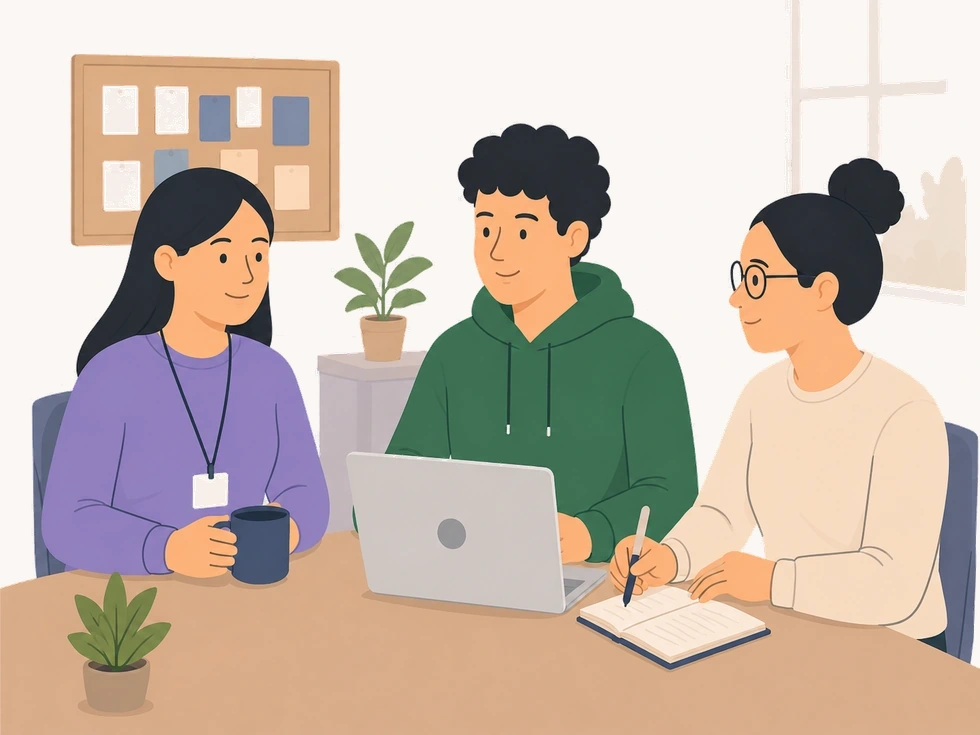
Illustration of volunteers and community members preparing a welcoming local support session together.

Launch illustration, not participant photography.

Start with the right level of honesty

This route explains likely volunteer pathways and the public safeguarding boundary, while exact responsibilities, supervision, and checks are confirmed through the first conversation.

Possible pathways

Different people help in different ways.

The public brief supports a few credible pathways into volunteering. The exact shape depends on current need, fit, and the level of responsibility involved.

Session support

Help create a calm, welcoming environment.

Some volunteers may help around sessions or community activity where practical support, warmth, and reliability matter.

  • Helping people feel settled when they arrive
  • Supporting set-up, flow, or a welcoming atmosphere
  • Working alongside youth-led staff and volunteers rather than carrying the whole session

Good for people who want to support the atmosphere before taking on anything more formal.

Skills and encouragement

Bring a practical skill, lived experience, or encouraging presence.

Some pathways may suit people who can offer encouragement, community understanding, or a practical skill that supports confidence-building work.

  • Sharing encouragement, patience, and community-minded support
  • Helping around employability, confidence, or creative activity when appropriate
  • Starting with a conversation about fit before any role is agreed

Useful when you have something specific to offer but need to talk through where it fits first.

Occasional practical help

Offer lighter-touch or one-off help when regular volunteering is not realistic.

Not every contribution needs to begin as a long-term commitment. Sometimes the best first step is occasional help, local introductions, or practical support around community activity.

  • One-off or occasional support can still be useful
  • Local knowledge, introductions, or event help may be relevant
  • If it does not fit a named role yet, the first conversation can still explore it fairly

This keeps the route open to real help without pretending every volunteer path is identical.

Need another route instead?

If you are mainly looking for support, a referral path, or a community collaboration conversation, use the clearer public route for that instead of forcing it through volunteer language.

Support and induction

Support should come before commitment.

Volunteering feels meaningful and well-held, not like being dropped into an undefined role.

Start with a real conversation

The first conversation covers why you want to help, what kind of role feels realistic, and where boundaries or extra support might be needed.

Induction and expectations stay visible

If a role looks like a fit, day-to-day expectations, safeguarding context, and who you would be working alongside are explained before anything starts.

Questions are welcome before agreement

The route stays open to people who want to ask first, especially if they are new to volunteering or unsure what kind of role would suit them.

How it works

A fair first conversation comes before any role is agreed.

The enquiry flow is designed to stay low-pressure while still protecting the organisation, the people involved, and the safeguarding boundary.

  1. Step 1

    Send a short enquiry

    Tell us how you would like to help, what feels realistic, and whether you are asking about a regular or occasional contribution.

  2. Step 2

    We reply with the right first conversation

    You get a response that routes the next conversation properly rather than forcing every volunteer into the same generic path.

  3. Step 3

    Checks and support are explained before anything starts

    If a role involves safeguarding responsibilities or a higher level of trust, that is discussed clearly alongside support, supervision, and next steps.

Safeguarding and checks

Safeguarding is part of the route, not fine print.

The public material supports clear safeguarding visibility, but it does not justify pretending every role has the same process or level of vetting.

Keep the safety boundary visible early

If a pathway would place someone around young people or other sensitive community support, safeguarding expectations are visible before anyone is asked to proceed.

Checks depend on the level of responsibility

Not every volunteer pathway needs the same checks. If a role requires more screening, that is explained proportionately and clearly before commitment.

Use the verified public trust statement

The public safeguarding statement confirms that EncouragingYou follows safeguarding procedures and uses trained, vetted staff and volunteers.

Need the full safeguarding route?

Use the dedicated safeguarding page if your question is about a concern, the safety process itself, or the difference between child and adult safeguarding routes.

Time commitment

Start with what you can genuinely offer.

A realistic offer of time is more useful than a bigger promise that becomes hard to sustain.

Honesty is better than over-committing

If you can only help occasionally or in a lighter-touch way, say that early. The first conversation matches the route to what is genuinely possible.

Regular and occasional roles are not the same

Some support may need steadier availability while other contributions may be more flexible. The route explains that difference instead of hiding it.

A slower start can still be the right start

First-time volunteers, younger helpers, or people returning after a gap may need a clearer introduction and a gentler pace at the beginning.

Volunteer questions

Questions people often ask before volunteering.

The route answers the basics without pretending the organisation has already published a fixed role catalogue.

Can I ask questions before I commit to anything?

Yes. The first step is a short enquiry and a fair conversation about fit, support, and next steps. There is no pressure to promise more than you can offer.

Do I need formal experience to ask about volunteering?

Not always. The public route supports practical help, encouragement, and community-minded involvement. The right fit depends on the role, the current need, and the support required.

Will every volunteer role involve the same checks?

No. Safeguarding conversations and checks depend on the level of responsibility involved. If anything is needed for a role, it is explained clearly before anything starts.

What if I can only help occasionally?

Say that in your first message. One-off or lighter-touch help can still be useful, and it is better to be honest about your availability than to over-commit.

Privacy and safeguarding stay visible near the enquiry path.

Use the volunteer form for interest in helping. If your question is really about immediate support, a referral, or a safeguarding concern, use the dedicated route instead.

Next step

If volunteering is not the right fit, the wider involvement routes are still here.

Use the involvement hub if you want to compare routes again, the sessions hub if you need support now, or contact if you want to ask a broader question.

Volunteer path stays distinct Support routes stay easy to find No pressure-led conversion